|
|
Posted By Pat Schaeffer (she/her),
Thursday, May 16, 2024
|
Contributed by Darshan Kulkarni
Introduction
Artificial Intelligence (AI) is rapidly transforming the workplace, offering new tools for recruitment, talent management, and HR processes. While AI has the potential to advance Diversity, Equity, and Inclusion (DEI) initiatives, it also presents unique challenges and ethical considerations. This post explores how AI impacts DEI in the workplace, highlighting both its potential benefits and risks.
AI in Recruitment: Opportunity or Obstacle for Diversity?
AI-driven recruitment tools can analyze vast amounts of data to identify candidates who might be overlooked in traditional processes. This can expand the talent pool and reduce unconscious bias. However, AI algorithms are only as unbiased as the data they are trained on. Biased data can lead to discriminatory hiring practices. Accordingly, it is best to regularly audit the candidates identified, the candidates hired and based on the findings, appropriately update AI algorithms to ensure they promote diversity and do not perpetuate existing biases.
AI in HR Processes: Streamlining or Stereotyping?
From onboarding to performance reviews, AI can streamline HR processes, ensuring they are consistent and fair. But over-reliance on AI can lead to a lack of human empathy and understanding, essential for addressing complex DEI issues. So, AI should be used as a tool to assist HR professionals, not replace them. Ensure there’s always room for human discretion, especially in sensitive DEI matters.
Ethical Considerations of AI in DEI
The ethical use of AI in DEI is paramount. It involves ensuring data privacy, transparency in how AI makes decisions, and accountability for AI-driven actions. This means that it would be best practice to establish clear ethical guidelines for AI use in DEI initiatives. Following are some best practices to consider.
Data Privacy
· Collect and use only the data truly necessary for the DEI initiative. Avoid collecting sensitive data unless absolutely required.
· Consider making data anonymous whenever possible, or use pseudonyms that cannot be easily traced back to individuals.
· Be clear about how data are collected, used, and stored. Obtain explicit user consent before processing data for DEI purposes.
· Give users the ability to access their data and request its erasure if necessary.
Transparency
· Use AI models that are interpretable, allowing you to explain how they arrive at decisions related to DEI.
· Document and communicate clearly to stakeholders the AI system’s development process, its limitations, and the potential for bias.
· Conduct regular audits of the AI system to identify any potential biases or fairness issues.
· Maintain open communication channels for stakeholders to ask questions, provide feedback, and express concerns.
Accountability
· Maintain human oversight throughout the AI development and deployment process. Humans should be responsible for final decisions.
· Establish clear ownership for the AI system, including responsibility for its outcomes related to DEI initiatives.
· Continually monitor the AI system for biased outcomes, implementing mechanisms to detect and mitigate them.
Conclusion
AI's impact on DEI in the workplace is profound and multifaceted. While it offers remarkable opportunities to advance diversity and inclusion, it also requires careful consideration to avoid perpetuating biases. By combining AI’s capabilities with ethical practices and human insight, organizations can harness this technology to create more equitable and inclusive workplaces.
Additional Resource
Partnership on AI: https://partnershiponai.org/

This post has not been tagged.
Permalink
| Comments (0)
|
|
|
Posted By Pat Schaeffer (she/her),
Thursday, April 11, 2024
|
Ensuring Equity and Inclusion from a Distance: DEI in Remote Teams
Contributed by Darshan Kulkarni
Introduction
As companies shift toward remote or hybrid models, there are new challenges in maintaining a culture that prioritizes Diversity, Equity, and Inclusion (DEI). When teams are not physically together, fostering a sense of belonging and ensuring equitable opportunities becomes more complex. However, with thoughtful strategies, organizations can effectively promote DEI in a remote or hybrid setting.
Remote Onboarding: Welcoming with Open Arms
The first step in an employee’s journey, onboarding, sets the tone for their experience in the company. In a remote setup, it's crucial to ensure that this process is inclusive and accessible.
Strategy:
1. Create a virtual welcome kit that includes resources on the company’s DEI initiatives. Organize virtual meet-and-greets with diverse team members to foster early connections.
2. Implement mentorship programs pairing new hires with experienced employees to guide them through the cultural nuances of the organization.
Fostering Connection Beyond the Screen
Creating a sense of community is vital in a remote work environment. Without the natural interactions of a physical office, employees might feel isolated.
Strategy:
Virtual team-building activities that celebrate cultural diversity can help bridge this gap These must be regular, inclusive, and accessible regardless of an individual’s location or time zone. The goal would be to rotate meeting times to accommodate different time zones and offer a variety of activities to cater to diverse interests and abilities.
Ensuring Equitable Opportunities for Advancement
In a remote or hybrid setting, there’s a risk that those who are physically present in the office might have more visibility and, thus, more opportunities for advancement. The goal is to avoid the “out of sight, out of mind” mentality for remote workers.
Strategy:
Implement transparent policies for promotions and professional development that are based on merit and not physical presence. And use technology to track and showcase the accomplishments of all employees equally, ensuring remote workers are just as visible as their in-office counterparts.
Continual Learning and Development
DEI is not a one-time initiative but an ongoing process. In a remote environment, providing opportunities for learning and growth in this area is crucial.
Strategy:
Offer online training and workshops focused on DEI topics. The trainings should be engaging and interactive in a virtual format and should include a mix of live sessions, interactive modules, and discussion forums to keep the content engaging and allow for diverse perspectives to be shared.
Feedback and Adaptation
Finally, the key to a successful DEI strategy in any work environment is the ability to adapt and evolve. So companies must ensure that feedback mechanisms are accessible and that all voices are heard.
Strategy:
Regularly collect feedback from employees on DEI initiatives and make adjustments as needed. Additionally, this feedback should include anonymous surveys, virtual suggestion boxes, and regular check-ins to gather comprehensive feedback.
Conclusion
While remote and hybrid work environments pose unique challenges to DEI efforts, they also offer an opportunity to rethink and innovate how we approach diversity, equity, and inclusion. With the right strategies, we can create a work culture that is not only diverse and inclusive but also one that thrives on the strengths of its remote setup.

Tags:
Resources
Permalink
| Comments (0)
|
|
|
Posted By Pam Seplow,
Wednesday, February 16, 2022
|
 Did you know that the first iteration of Black History Month was Negro History Week which was started in 1926 by Carter G. Woodson as a way to encourage “people of all ethnic and social backgrounds to discuss the Black experience”? Woodson chose February as it coincides with the birthdates of Abraham Lincoln and Franklin Douglass. Did you know that the first iteration of Black History Month was Negro History Week which was started in 1926 by Carter G. Woodson as a way to encourage “people of all ethnic and social backgrounds to discuss the Black experience”? Woodson chose February as it coincides with the birthdates of Abraham Lincoln and Franklin Douglass.
President Gerald Ford was the first President to officially recognize Black History Month in 1976 and in 1986 Congress passed the National Black History Month into law in order to make all Americans “aware of this struggle for freedom and equal opportunity.”
Today Black History Month provides an opportunity to “celebrate Black achievement and provide a fresh reminder to take stock of where systemic racism persists and gives visibility to people and organizations creating change.”
To honor Black History Month, the Diversity and Inclusion Committee is pleased to share this curated list of resources to support you in your own education around Black History Month.
Be sure to be on the lookout for additional programming and information from the DEI Committee over the course of 2022.
WHAT TO READ
These 5 Black women made history — and here's why you should know their stories (TED Ideas)
26 Black Americans You Don't Know But Should (Oprah)
One Drop: Shifting the Lens on Race by Yaba Blay
Four Hundred Souls by Ibram X. Kendi and Keisha Blain
Between the World and Me by Ta-Nehis Coates
Me and White Supremacy by Layla Saad
The New Jim Crow by Michelle Alexander
White Fragility by Robin DiAngelo
Begin Again- James Baldwin’s America and Its Urgent Lessons for Our Own by Eddie S. Glaude, Jr.
Biased: Uncovering the Hidden Prejudice that Shapes What We See, Think and Do by Jennifer Eberhardt, PHD
Black Fatigue: How Racism Erodes the Mind, Body, and Spirit by Mary Frances Winters
I’m Still Here: Black Dignity in a World Made for Whiteness by Austin Channing Brown
Anti-Racist Leadership by James White
The Half Has Never Been Told by Edward E. Baptist
1619 Project by Nikole Hannah – Jones
Note: if you are planning to order any of the above titles, consider ordering them from Uncle Bobbies Coffee & Books or Harriet’s Bookshop. Both are local black owned businesses.

WHAT TO ATTEND
Beacon member Mike Decandido runs CommonBondz, a non-profit which focuses on educating about racism and bias against African Americans, and actions we can all take to help drive greater equity in our society.
On February 22, 2022 at 6:00 PM CommonBondz is hosting its monthly speaker series. This month’s event is Critical Race Theory with Michael Coard, Temple Law professor, renowned defense attorney and community advocate in Philadelphia.
WHAT TO LISTEN TO
A talk with Dr. Tyrone McKinley Freeman on his book Madam C.J. Walker’s Gospel of Giving. This is a recording of a previous Beacon event
Uncomfortable Conversations with a Black Man this 9 part series, hosted by Emmanuel Acho, has also been turned into a book with the same name
WHAT TO WATCH
Explained Racial Wealth Gap with Cory Booker
When They See Us available on Netflix
Mr Soul:available on hbo max
The Hate You Give available on hulu
Hidden Figures: available on hulu and youtube
Summer of Soul: available on most streaming services
WHAT TO VISIT
African American Museum in Philadelphia
National Museum of African American History and Culture. (Washington, D.C.)

SUPPORT BLACK BUSINESSES
Goodee and Miiryia are both online marketplaces that showcase black owned businesses across a wide range of categories.
Want to keep it more local check out visit philly, or this guide to black owned NJ businesses for lists of locally black-owned shops and boutiques.
Tags:
Black History
Resources
Permalink
| Comments (0)
|
|
|
Posted By Diversity & Inclusion Committee,
Tuesday, April 6, 2021
|
March 8, 2021
Today is International Women's Day and the start of the second week of Women’s History Month in the US. International Women's Day has occurred for well over a century with the first gathering held in 1911.
International Women's Day is a global day celebrating the social, economic, cultural and political achievements of women. The day also marks a call to action for accelerating gender parity.
International Women's Day (IWD) is one of the most important days of the year to:
- celebrate women's achievements
- raise awareness about women's equality
- lobby for accelerated gender parity
- fundraise for female-focused charities
In the US, Women’s History Month had its origins as a national celebration in 1981 when Congress authorized and requested the President to proclaim the week beginning March 7, 1982 as “Women’s History Week.” Presidents have issued a series of annual proclamations designating the month of March as “Women’s History Month” and celebrating the contributions and specific achievements women have made to the United States.
Our spotlight this week is on Justice Ruth Bader Ginsburg.
“Fight for the things that you care about. But do it in a way that will lead others to join you.”
Supreme Court Justice Ruth Bader Ginsburg passed away in 2020 after 27 years on the Supreme Court. She was a champion for equal rights who became a social icon and never lost her spirit and quest for equality and justice.
Here are some little know facts about this special person:
In school, Ruth Bader Ginsburg played the cello, was a member of the honor society, and was a baton twirler amongst other things!
The day before Ginsburg’s high school graduation ceremony, her mother passed away. Ruth missed the ceremony to grieve with her father, but continued to honor her mother’s memory through hard work and academic excellence.
Ruth Bader met Martin Ginsburg when she was seventeen and an undergraduate student at Cornell University, though they were both born in Brooklyn. They married a few days after her graduation and remained married for 56 years until he passed away in 2010. Ruth and Martin had a marriage notable in its time for being based in equality and partnership. They split housework, childcare, and cooking.
While Ginsburg and her husband were both attending Harvard Law School, he became sick with cancer. Ruth took care of him and their infant daughter all while attending classes and keeping her husband caught up with his schoolwork as well.
Ruth Bader Ginsburg knew firsthand the struggles of mothers in the workplace. In fact, when she learned that she was pregnant with her second child, she wore baggy clothes until her contract as a professor at Rutgers University Law School was renewed out of concern for discriminatory employment practices.
In 1972, she became the first tenured female professor at Columbia Law School. In 1980, she was appointed to the United States Court of Appeals for the District of Columbia Circuit.
Justice Ginsburg was the second woman and the first Jewish woman ever appointed to the U.S. Supreme Court. She was appointed in 1993 when she was 60 years old. During her years on the bench, she has been a champion of gay rights, women’s rights, the poor, and many other marginalized groups.
Even though Sandra Day O’Connor sat on the U.S. Supreme Court for twelve years before Ruth Bader Ginsburg was appointed, the court did not have a women’s bathroom until Ginsburg pointed it out.
"People ask me sometimes... 'When will there be enough women on the court?' And my answer is, 'When there are nine.' People are shocked, but there'd been nine men, and nobody's ever raised a question about that."
"Real change, enduring change, happens one step at a time."
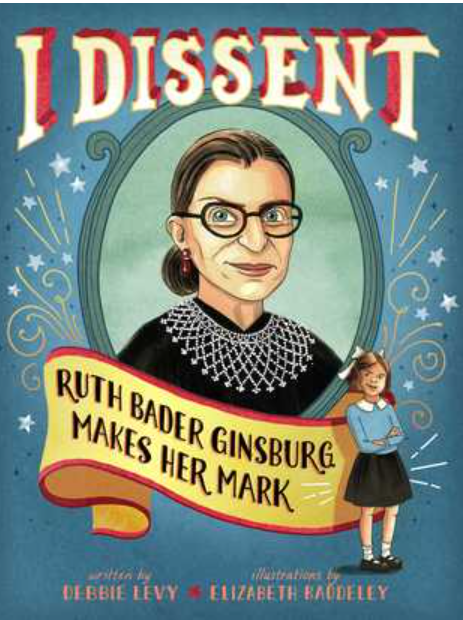
Check out this children’s book to help you talk to your kids about powerful and success women and about our nation’s highest court. Disagreeing does not make you disagreeable!
https://www.goodreads.com/book/show/28210996-i-dissent
Tags:
Women's Leadership
Permalink
| Comments (0)
|
|
|
Posted By Diversity & Inclusion Committee,
Wednesday, March 31, 2021
Updated: Wednesday, March 31, 2021
|
Meet Kim Ng, Major League Baseball’s first female general manager (Today)
Kim Ng Has Been Ready for Years (The New York Times)
Kim Ng finally -- finally! -- lands general manager job in Major League Baseball (ESPN)
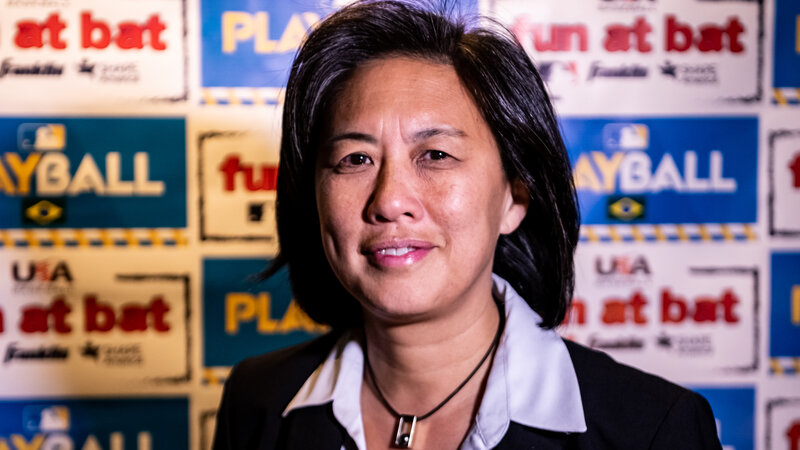
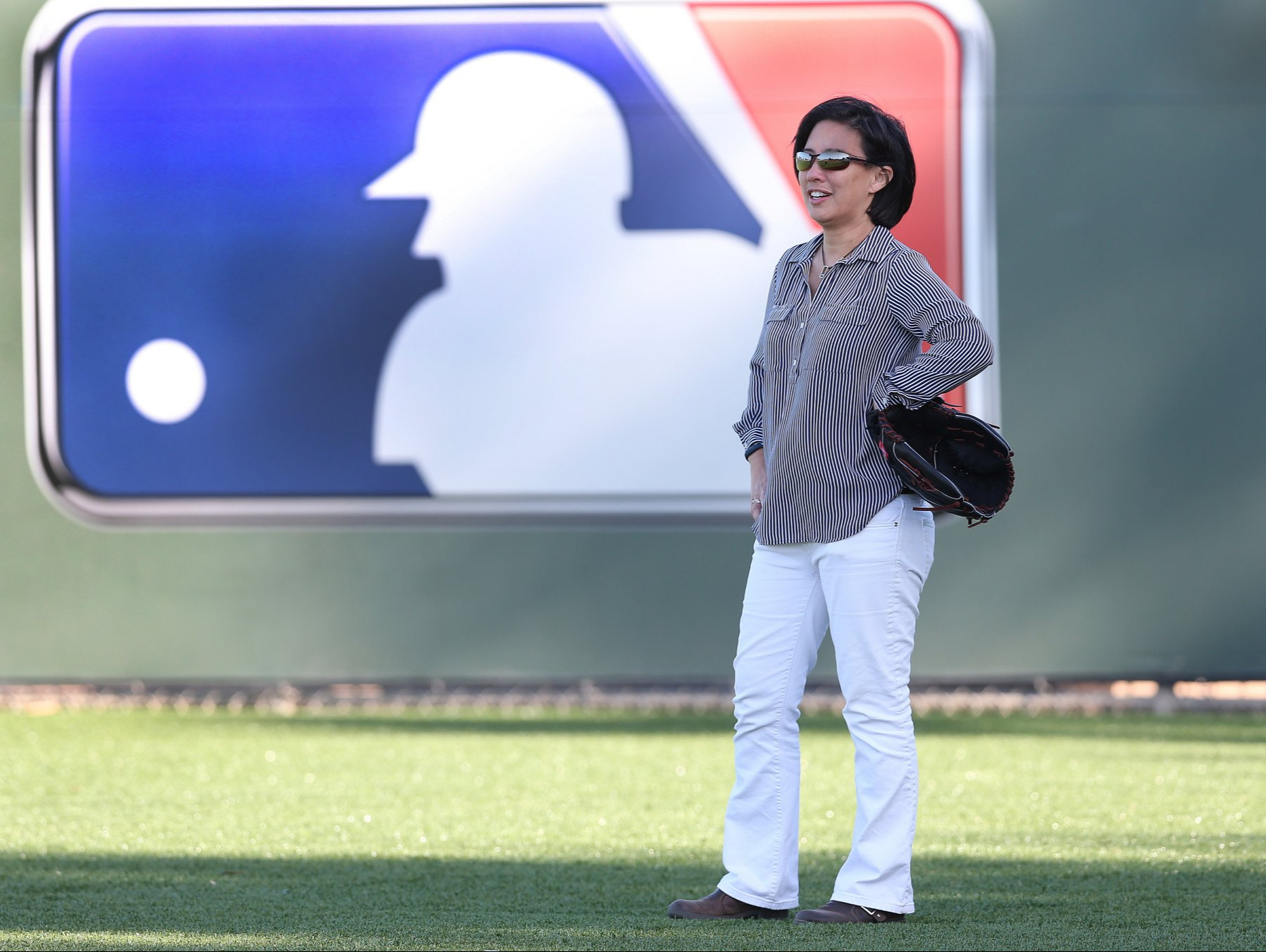
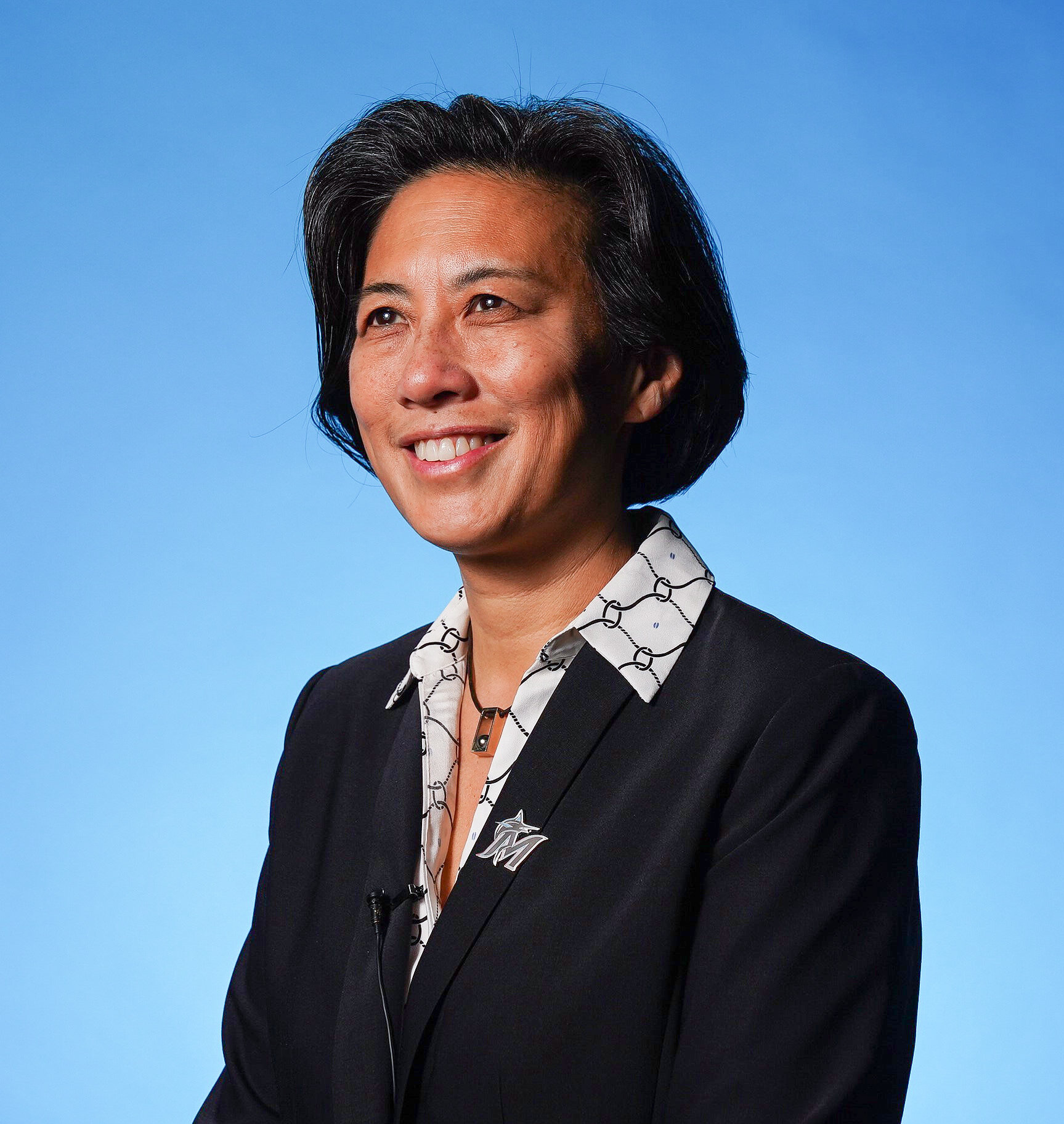 With opening day of the Major League Baseball season upon us, meet intrepid trailblazer Kim Ng, the General Manager of the Miami Marlins. Ng is the first woman to serve as a “full-time general manager in any of the major men’s leagues in North America.” In addition, she is the first Asian American GM. With opening day of the Major League Baseball season upon us, meet intrepid trailblazer Kim Ng, the General Manager of the Miami Marlins. Ng is the first woman to serve as a “full-time general manager in any of the major men’s leagues in North America.” In addition, she is the first Asian American GM.
As a child, Ng played stickball in the streets of New York with her (mostly male) neighbors, then played softball at Ridgeway High School in New Jersey and at the University of Chicago. After writing her thesis on Title IX, federal legislation that outlawed gender discrimination in sports, Ng graduated with a public policy degree and took a front office job with the Chicago White Sox. She then worked for the American League for a year before joining the Yankees as an Assistant GM and then the Dodgers as VP and Assistant GM. Following that, she became the highest ranking woman in baseball operations as Senior VP of Baseball Operations for MLB.
Over the course of 15 years, Ng interviewed for 15 jobs as the GM (not the Assistant), and she was never offered the position. Not until longtime friend and colleague Derek Jeter, Chief Executive and part-owner of the Marlins, called Ng did she get the job as the GM for an MLB team, Jeter’s Marlins. As Sarah Spain from ESPN notes, perhaps Ng’s appointment was 15 years in the making--or perhaps it was 93 years in the making, since the first MLB GM was hired in 1927, and no woman was deemed capable of holding the position until 2020. As Ng’s mother said in reaction to her daughter’s new job, “Long overdue.”
Tags:
Women's Leadership
Permalink
| Comments (0)
|
|
|
Posted By Diversity & Inclusion Committee,
Tuesday, March 30, 2021
Updated: Tuesday, March 30, 2021
|
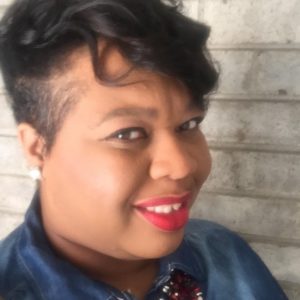 This week we sat down, virtually, with Beacon Icon Award winner, Natasha Andrews, of Girls Inc. PA NJ, for a conversation about her journey, women in leadership and National Women’s History month. The network of local Girls Inc. nonprofit organizations serves girls ages 5-18 at more than 1,500 sites in 350 cities across the United States and Canada. Their evidence-based programming is delivered by trained professionals who focus on the development of the whole girl, supporting, mentoring, and guiding girls in an affirming, pro-girl environment. The goal of Girls Inc. is to help girls learn to value their whole selves, discover and develop their inherent strengths, and receive the support they need to navigate the challenges they face. This week we sat down, virtually, with Beacon Icon Award winner, Natasha Andrews, of Girls Inc. PA NJ, for a conversation about her journey, women in leadership and National Women’s History month. The network of local Girls Inc. nonprofit organizations serves girls ages 5-18 at more than 1,500 sites in 350 cities across the United States and Canada. Their evidence-based programming is delivered by trained professionals who focus on the development of the whole girl, supporting, mentoring, and guiding girls in an affirming, pro-girl environment. The goal of Girls Inc. is to help girls learn to value their whole selves, discover and develop their inherent strengths, and receive the support they need to navigate the challenges they face.
- Please describe your business and personal journey to date?
“Trial by fire!”, those were the 3 words Natasha used to sum up her journey. Natasha has been with Girls Inc. for 22 years and has worked in every role in the organization except CFO and janitor. She said this diversity of experience helped her understand how to develop and provide programs for young girls. Her career started as a social worker/case manager and it was the “best thing but traumatizing”. A New York native who came to Philly to attend Temple University, she did not know the geography, demographics or diversity of the city and region. As a social worker, she was sent to all areas of Philly and was given an on-the-job education about the economics and racial demographics and even tension, divide and segregation. She also better understood how many children experience a high level of trauma in the city. These experiences helped her learn how to deal with people on individual level and with the micro and macro organizations that impact them. Natasha said, “I learned how to meet people where they are at, put my bias to the side, be an advocate for people and always lead with empathy”. This tenet has become part of her delivery model and her success with roles as after school and parenting coordinator, interim Executive Director and her current role, Director of Programs. Natasha continued by saying “Things work better when I have buy in from people around me. And when I have someone who is coachable to support the initiative. Remember, not all people have the language to ask for help or coaching. We need to listen.”
- What advice would you give women who are trying to advance in business?
Natasha told me her 4 step process and advice:
- Assess the world/industry you are in.
- ID your strengths and weaknesses in that environment.
- Ask for coaching and feedback.
- Be responsible for your learning.
- How can women push for change at the executive level? How have you done this?
“We find ourselves in a climate of asking, ‘who has a seat at the table?’”, Natasha said. “It is better to propose to change the table setting and expand the table. The ideology that there is only room for one makes it become a rat race and a competition. To really succeed we need to change the landscape.”
- What is a project you have worked on that you are especially proud of?
Natasha is most proud of her internship program. It was created out of necessity and is now one of the coveted models of Girls Inc nationwide. When she and the organization found themselves in tough financial times, she became the interim Executive Director and pledged “that the doors will not close – the girls will continue to benefit from our program”. Natasha asked herself and her small team, “What do you do with no staff and 1,500 girls in the program?” The answer was and has continued to be to capitalize on connections and leverage relationships. Through Temple University, 14 years ago, she was able to secure 3 interns; today there are 60 plus interns each year! The people receive college credit and end up being volunteers. In fact, 100% of the professional staff at Girl’s Inc started in the program as interns!
- At the end of the day, what do you hope your legacy will be?
Natasha believes that her legacy is that she did her part to equip the next generation. She said “It is my responsibility to pass ‘golden nuggets’ of information to the next generation. When people say, ‘Oh, you are one of Natasha’s girls then you are ok’, then I know I have done my part in the world.”
- In honor of Women’s History Month, what woman in history (living or dead) would you love to have tea with?
Natasha said, “I would want a tea party!!”. She would invite Maya Angelou and Belle Hooks – women who understand the experiences of women and are unapologetic about describing and discussing the world of women of color. The first time she read a book by them she was impressed by how articulate and bold they are and how they understand the power of words. The other tea party participant would be Ellen DeGeneres. Natasha loves the underdog, the people who deal with adversity and barriers, who could be hurt but not are never out of the fight. Natasha continued “I like people who illuminate the room – differently! These are the people I am drawn to. The girls I worked with, my staff, myself – please bet against us! Marching to the beat of a drum but that is not my drummer – it is yours!”
Natasha has been successful, with all these programs and the increasing number of girls served with impact, all while dealing with a severe eye disease. In a very matter of a fact way, Natasha said, “If I am navigating the world with the worst eye site then I don’t want to hear excuses. I have an irregularly shaped cornea and my eyes went bad fast. As of Feb 25th, I had a corneal transplant and things are, literally, looking much brighter for me!” Natasha passionately said, ”There is nothing you cannot do if you are determined. And if I give up then what is the message I am sending to others!”
Natasha is certainly an exciting interview and has led a fascinating and impactful life. She is an example of a great leader and one with a vision for the future that is positive and productive.
Thank you Natasha!
For more information on Girls Inc. reach out to Natasha or go to www.girlsincpa-nj.org.
Tags:
Women's Leadership
Permalink
| Comments (0)
|
|


 Group Home
 Blog Home
 Group Blogs

 Print Page
 RSS
RSS


